Your website, LinkedIn page, annual report and press releases all say something about your company before anyone reads a word. A blurry phone photo of the managing director, mismatched team headshots or a stock image of people in a glass office that isn't yours all weaken trust. Clear, consistent corporate photography does the opposite: it shows real people, real places and a company that pays attention to detail.
I'm Arpit Patel, a corporate and industrial photographer based in Ahmedabad with 16+ years of experience photographing leadership teams, offices, plants and events for Indian companies and global MNCs. This guide explains what corporate photography covers, how to plan a corporate photo day, what to wear, and how to choose the right photographer.
What is corporate photography?
Corporate photography is professional photography of a company's people, workplaces and activities for business use. It usually includes:
Executive headshots: clean, consistent portraits for the website, LinkedIn, ID cards and press kits.
Leadership portraits: more creative environmental portraits of the MD, CEO and directors, often for annual reports, magazine features and investor material.
Team and group photos: departments, board members and full-company photos.
Workplace photography: offices, reception areas, meeting rooms, labs, R&D centers and for manufacturers, the shop floor.
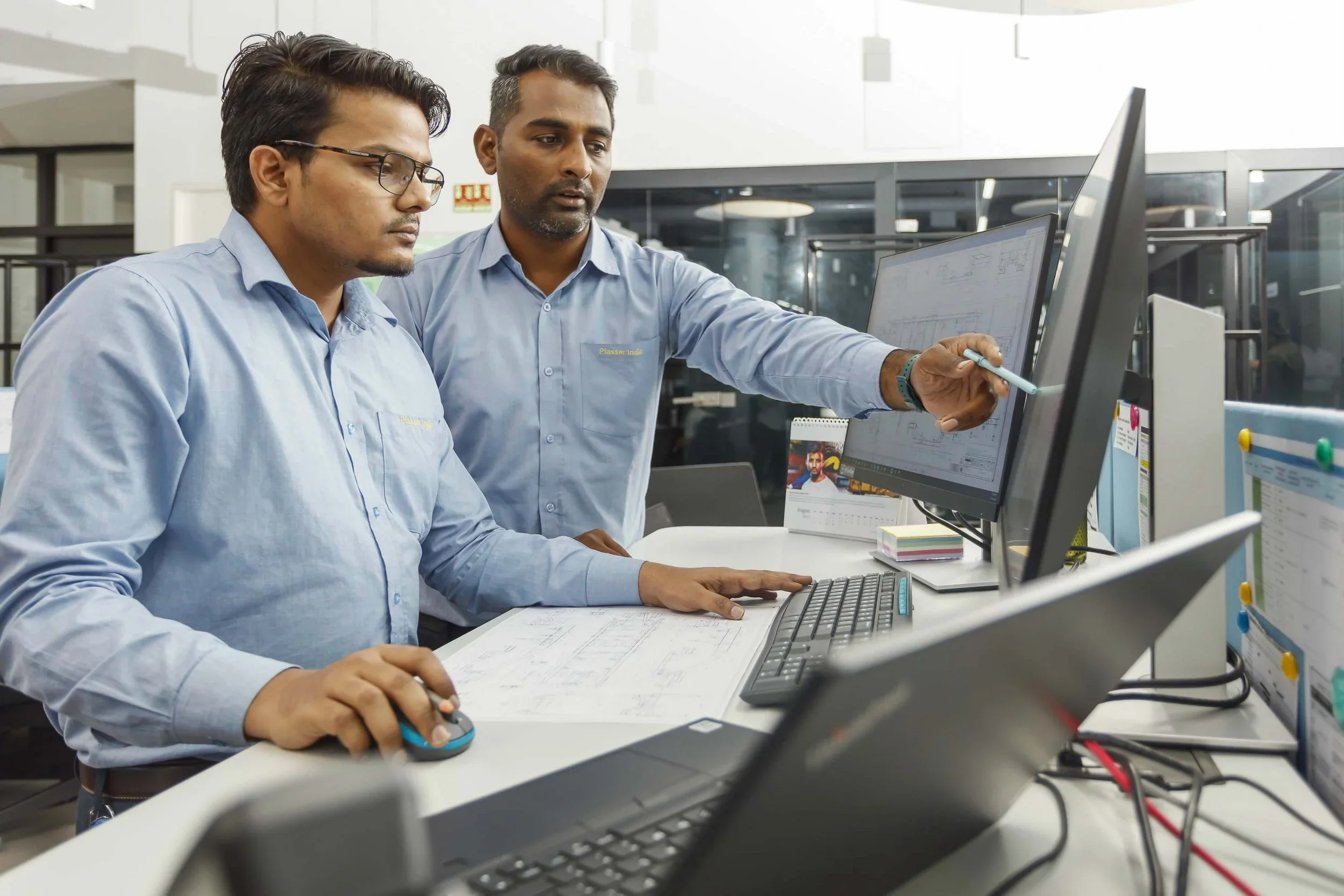
People-at-work images: natural photos of employees collaborating, presenting, designing and inspecting.
Events and AGMs: conferences, launches, dealer meets, award functions, annual general meetings and CSR activities.
See our corporate photography services for examples.
Why corporate photography matters in 2027
Buyers check you online first. Procurement teams, partners and investors look at your website and LinkedIn before they call. Real photos of real people build trust faster than stock images.
LinkedIn is a sales channel. When leaders post with a sharp, professional profile photo, their content gets taken more seriously.
Recruitment is competitive. Candidates compare workplaces. Honest, well-lit photos of your offices and teams help you hire.
Annual reports and investor decks need authority. Leadership portraits set the tone for how investors see the company.
Press and media coverage. Journalists need high-resolution, approved photos quickly. A ready press kit gets you better coverage.
For manufacturing companies in particular, read why corporate photography matters for industrial brands.
Corporate headshots: getting them right
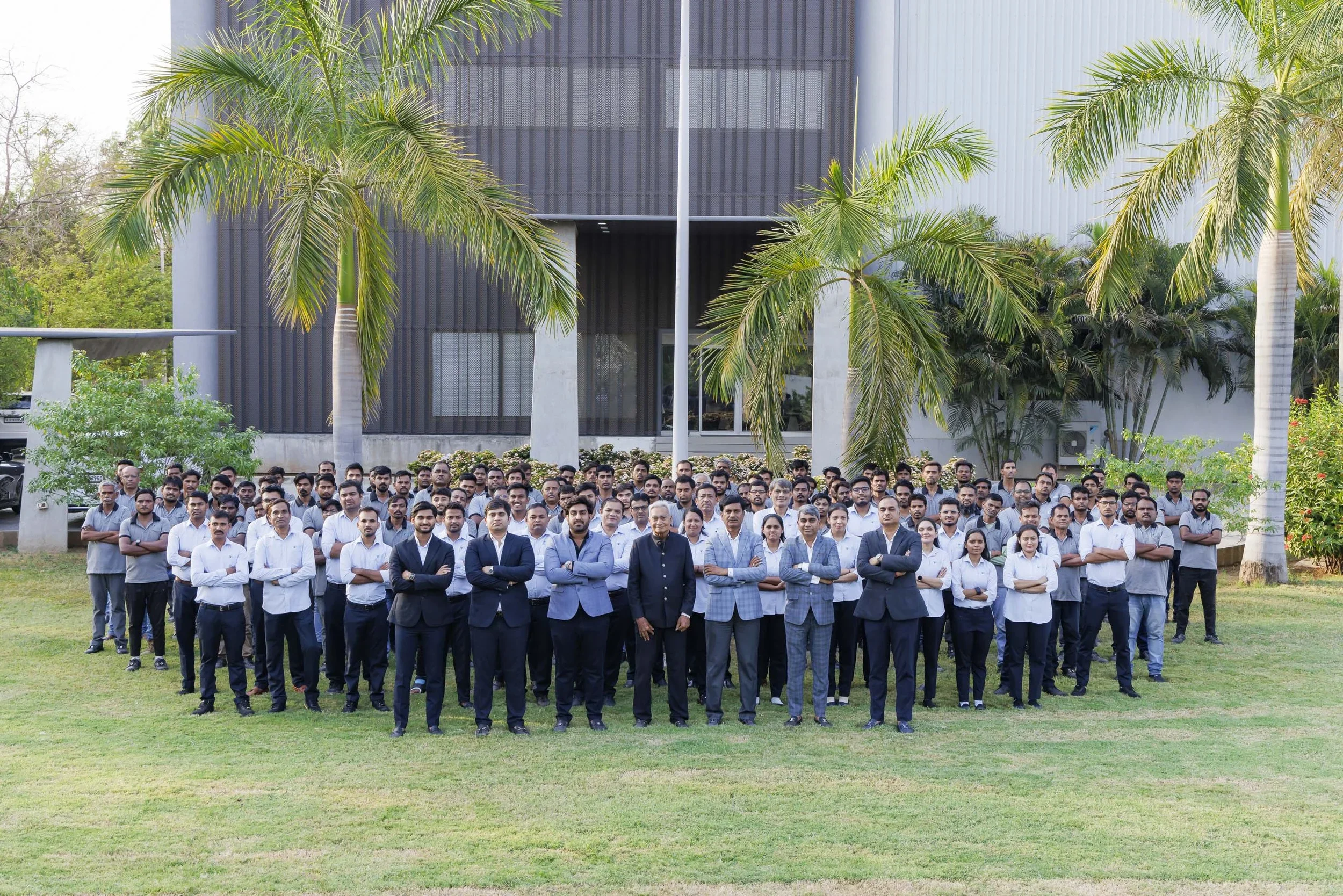
Headshots are the most used corporate photos, and the most often done badly. A good headshot program has three goals: everyone looks their best, everyone looks consistent and new joiners can be added later in the same style.
Agree the style first. Decide on these before the shoot so every photo matches:
Background: plain studio grey or white, your brand colour or a soft-focus office background.
Crop: head-and-shoulders or half-length.
Lighting: bright and even for a modern look, or more directional for a premium feel.
Expression: warm and approachable, or serious and formal, depending on your brand.
Set up an on-site studio. We set up a portable studio in a meeting room, so employees step out of work for 5–10 minutes each.
Plan for new joiners. We record the lighting, lens, distance and background settings, so later headshots match the originals.
Leadership portraits: more than a headshot
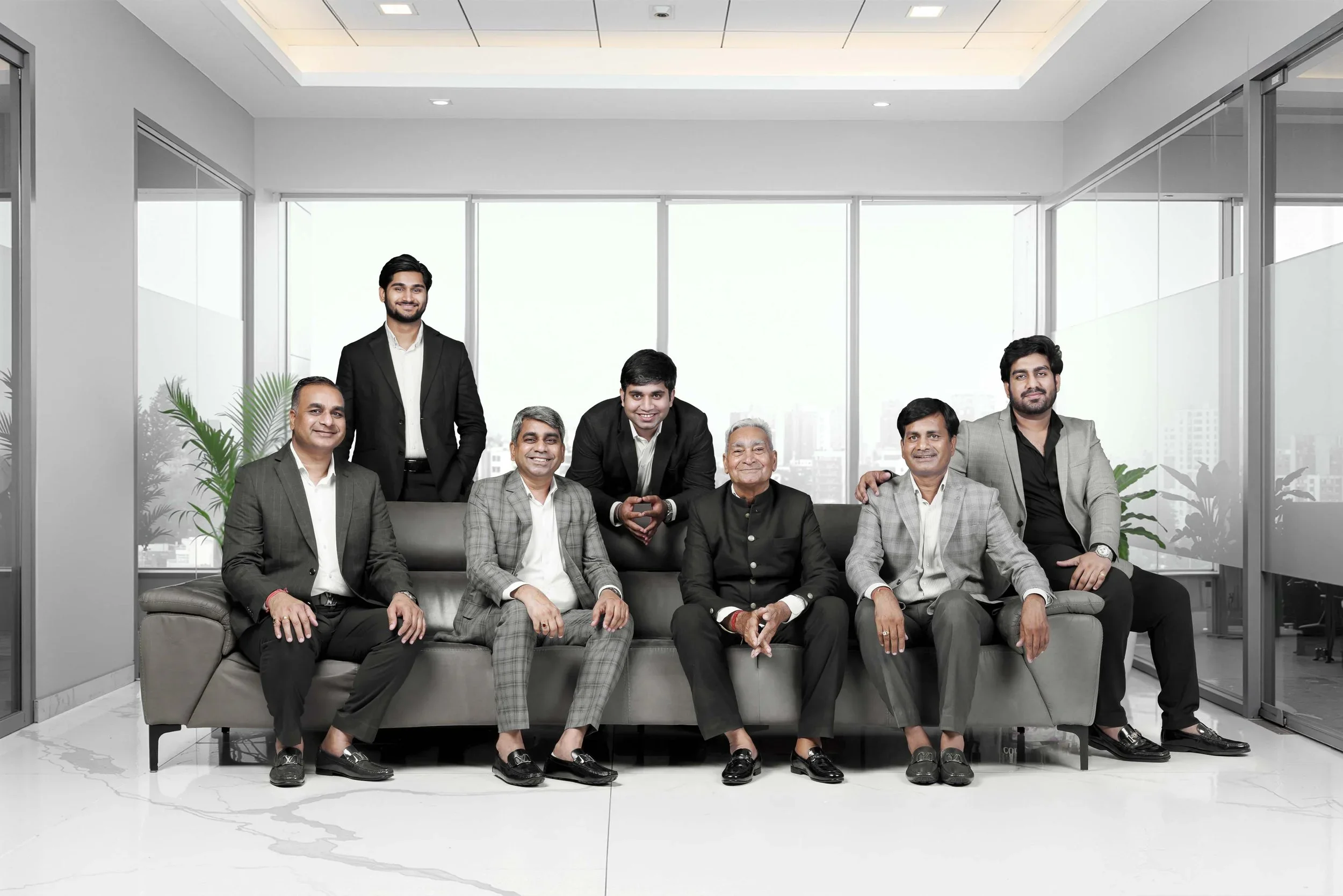
The MD's or CEO's portrait is often the single most important corporate photo. It appears in annual reports, interviews, magazine features and keynote slides. It deserves more time than a headshot.
Environmental portraits place the leader in a meaningful setting: the boardroom, the R&D lab, the plant floor or in front of the company's flagship machine.
A few looks in one session: formal suit, business casual, and a portrait on site in PPE for industrial companies.
Time: 30–60 minutes per leader, planned around their calendar.
For manufacturers, a leadership portrait on the shop floor, with a real production line behind, says more about the company than any office backdrop. Our corporate photography for manufacturing companies article explains this approach.
What to wear for a corporate photoshoot
Share these tips with your team a week before the shoot:
Choose solid, mid-tone colours. Navy, grey, blue, maroon and earth tones photograph well. Avoid very bright neon colours.
Avoid fine stripes, small checks and busy patterns. They can create a shimmering effect on camera.
Bring two options. One formal and one smart-casual, so you can match the brand style.
Iron clothes and check collars. Creases and twisted collars show clearly in high-resolution photos.
Keep accessories simple. Small jewellery and a classic watch work best.
Glasses: wear them if you normally do. We adjust the lighting to reduce reflections.
For plant portraits: clean, correctly fitted PPE (helmet, safety glasses, jacket) with the company logo visible.
Workplace and people-at-work photography
Stock photos look the same on every website. Photos of your own workplace and people make your company recognisable. A workplace shoot typically covers:
Reception, building exterior and signage
Open office, meeting rooms and collaboration spaces
Labs, design studios and R&D centers
Training sessions, presentations and team meetings
For industrial companies: production lines, quality labs and engineers at work. See our industrial photography work.
Tip: ask employees who are comfortable on camera to volunteer, and plan scenes in advance (a design review, a client call, a training session) so the photos look natural, not staged.
Annual report and investor photography
Annual reports need a consistent set of images that support the year's story: growth, new facilities, people, sustainability and community work. Plan this shoot 2–3 months before the report goes to design. A typical annual report shoot includes leadership portraits, board group photos, new plants or offices, products, people at work, and ESG and CSR activities. Read more about ESG photography for industry.
How to plan a corporate photo day
Brief call. Agree the uses (website, LinkedIn, annual report, press), style and the list of people and locations.
Recce. Check rooms, light, backgrounds and plant areas. For outstation offices, a video walkthrough often works.
Schedule. Create time slots for each person and department. Book leaders for longer slots.
Communicate. Send the wardrobe guide and schedule to employees a week ahead.
Shoot day. Headshot studio in one room; workplace and leadership photos around it.
Selection and retouching. Each person or HR selects their photos; we retouch lightly so people still look like themselves.
Delivery. High-resolution files for print, web-optimised files for the website, and square crops for LinkedIn.
One consistent look across every location
Many Indian companies have a head office in one city and plants or branches in others. Mismatched photos from different local photographers make the brand look fragmented. We photograph across Ahmedabad, Gujarat and the rest of India, including Pune, Bengaluru, Chennai, Andhra Pradesh and Kolkata, using the same lighting and style guide at every site.
Planning a film at the same time? Read about corporate identity movies vs corporate films. Photography and video in one visit saves time and cost.
What does corporate photography cost?
Every project is quoted on its brief. The main factors are:
| Factor | Lower Cost | Higher Cost |
|---|---|---|
| Number of People | A few leaders | 50+ employee headshots |
| Locations | One office | Head office plus plants or branches in several cities |
| Scope | Headshots only | Headshots, leadership portraits, workplace and plant photos |
| Retouching | Light, standard retouching | Detailed retouching and background changes |
| Time | Half day | 2–3 days or multiple visits |
| Usage | Website and LinkedIn | Annual report, advertising and large-format print |
How to choose a corporate photographer
Look for consistent portfolios. Ask to see a full team of headshots, not just a few best images.
Check they can handle senior leaders. Directors and CEOs have little time; the photographer must work quickly and put them at ease.
For manufacturers, check industrial experience. Portraits on a shop floor need safety awareness and lighting skills. Browse our case studies.
Ask about retouching and delivery times.
Agree on usage rights in writing.
Frequently asked questions
How long does a corporate headshot take per person?
With an on-site studio, about 5–10 minutes per person. A leadership portrait session usually takes 30–60 minutes.
Can you photograph our team at our office?
Yes. We bring a portable studio, lights and backgrounds, and set up in a meeting room or open area at your office or plant.
How many people can you photograph in a day?
Typically 40-80 headshots in a full day, depending on the schedule and how many leadership portraits and workplace photos are included.
Can new employees be photographed later in the same style?
Yes. We keep a record of the lighting, background and camera settings so new joiners' headshots match the original set.
Do you travel outside Ahmedabad for corporate shoots?
Yes. We photograph head offices, plants and branches across India and keep one consistent style across all locations.
Book your corporate photoshoot
Whether you need fresh headshots for your team, a leadership portrait for the annual report or a complete set of workplace images, let's plan your shoot. See our corporate photography services, or contact Arpit Patel / WhatsApp +91 93271 54115.
Arpit Patel is an Ahmedabad-based corporate and industrial photographer with 16+ years of experience and a BFA, working with Indian companies and global MNCs. About Arpit