Industrial Videography: How Manufacturing Brands Build Trust Through Video
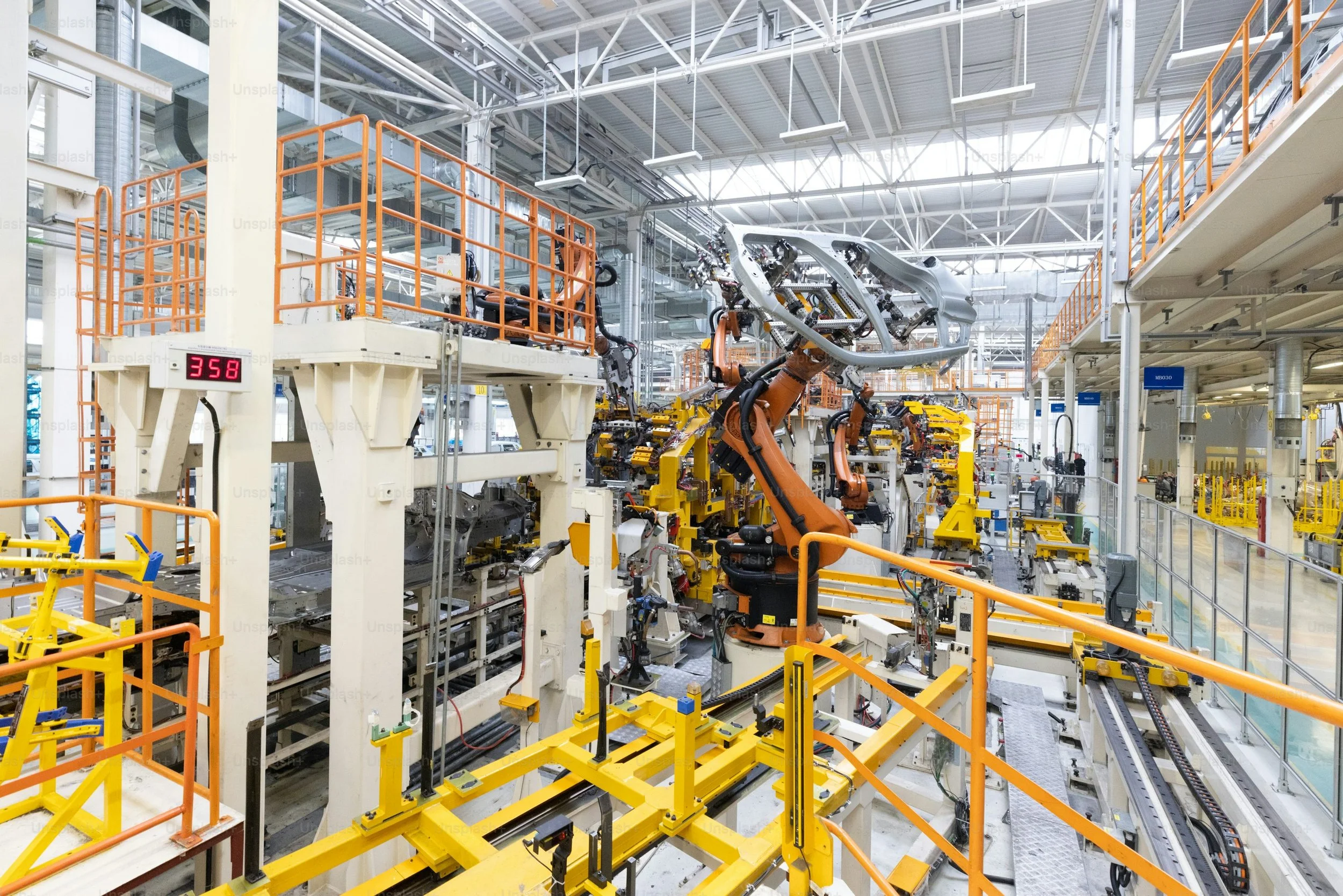
In today's competitive B2B manufacturing market, showing what your company does can be just as important as explaining it. Potential customers, procurement teams, investors and business partners increasingly research manufacturers online before starting a conversation.
This is where Industrial Videography plays an important role.
A professionally produced industrial video can showcase your factory, machinery, production processes, engineering expertise, employees, safety standards and finished products in a way that static images and written descriptions cannot.
For manufacturing companies, industrial videography is more than filming a factory. It is a powerful visual storytelling tool that helps communicate capability, professionalism, technology and trust.
What Is Industrial Videography?
Industrial videography is the professional production of videos for manufacturing, engineering, infrastructure, industrial and B2B companies.
It can include videos of:
Manufacturing facilities
Production processes
Machinery and equipment
Engineering operations
Product manufacturing
Quality-control procedures
Employees and technical teams
Warehouses and logistics
Research and development
Corporate facilities
Large-scale infrastructure
Why Industrial Videography Matters for Manufacturers
Manufacturing operations can be difficult to explain through text alone. A potential buyer may want to understand your production capabilities, equipment, workflow, quality standards and infrastructure before considering your company as a supplier.
A well-planned industrial video can bring these elements together.
Instead of simply stating that your company has advanced machinery, you can show the machinery operating.
Instead of saying that your team follows strict quality procedures, you can show the inspection process.
Instead of describing your production facility, you can take viewers through it virtually.
This creates a stronger and more transparent presentation of your business.
1. Showcase Your Manufacturing Facility
Your factory is one of your biggest business assets.
Industrial videography can capture the scale and organization of your facility through carefully planned shots of:
Production floors
Machinery
Assembly lines
Storage areas
Loading zones
Quality-control departments
Engineering departments
Employee workspaces
2. Demonstrate Complex Manufacturing Processes
Some industrial processes are difficult to understand through photographs.
Video allows manufacturers to show a process from beginning to end.
For example:
Raw Material → Processing → Assembly → Inspection → Finishing → Packaging → Dispatch
This type of visual storytelling can help customers understand how products are manufactured and how different stages of production are controlled.
For technically complex industries, this can be particularly valuable when communicating with customers who are not physically located near the manufacturing facility.
3. Build Trust With B2B Buyers
Trust is an important part of B2B purchasing decisions.
Potential buyers want to know:
Where is the product manufactured?
What equipment does the company use?
How large is the facility?
What quality procedures are followed?
Who is responsible for production?
Does the company have the infrastructure to handle larger orders?
4. Highlight Engineering Expertise
Machines are important, but skilled professionals operate those machines.
Industrial videos can introduce the people behind your manufacturing capabilities, including:
Engineers
Machine operators
Production managers
Quality-control specialists
Maintenance teams
Research and development professionals
Technical leadership
5. Showcase Safety and Quality Standards
Safety and quality are important considerations for industrial buyers.
Professional video production can document elements such as:
PPE usage
Workplace safety
Quality inspections
Organized production areas
Testing procedures
Equipment operation
Material handling
6. Support International Marketing
Indian manufacturers increasingly target customers beyond their local markets.
International buyers may never visit your facility before the initial stages of the sales process. Your website and digital content therefore become an important representation of your company.
An industrial video can help introduce your:
Manufacturing capabilities
Products
Infrastructure
Workforce
Technology
Quality processes
This makes video a useful asset for manufacturers targeting international B2B customers and export markets.
7. Improve Your Manufacturing Website
A professional video can become one of the most valuable visual assets on a manufacturing website.
It can be placed on:
Homepage
About Us page
Manufacturing capability pages
Product pages
Industry pages
Careers pages
Case studies
Types of Industrial Videos
Factory Tour Videos
A factory tour provides viewers with a guided look at your manufacturing facility.
Manufacturing Process Videos
These videos focus on specific production processes and technical operations.
Corporate videos communicate your company's vision, capabilities, people, infrastructure and achievements.
Product Manufacturing Videos
These videos demonstrate how a product is manufactured, assembled, tested and prepared for delivery.
Machinery Videos
Machinery-focused videos highlight equipment, technology, automation and operational capabilities.
Recruitment Videos
These videos showcase workplace culture, employees, facilities and career opportunities to attract technical talent.
Industrial Videography vs. Traditional Corporate Video
Industrial videography requires a different approach from a standard corporate office video.
Manufacturing environments often involve:
Large machinery
Challenging lighting conditions
Moving equipment
Safety restrictions
Complex production processes
Dust and industrial conditions
Restricted production areas
Active workers and operations
Where to Use Industrial Videos
Website
Use videos to explain your facility, products and capabilities.
Share short manufacturing stories and process videos with B2B audiences.
Sales Presentations
Use videos during customer meetings and capability presentations.
Trade Shows
Large-screen industrial videos can attract attention at exhibitions.
Tender Presentations
Use relevant factory and capability footage to visually support your proposal.
Recruitment
Show potential employees the actual working environment and company culture.
Conclusion
Industrial videography gives manufacturing companies a powerful way to demonstrate their capabilities, processes, infrastructure, technology and people.
From factory tours and manufacturing processes to machinery demonstrations and corporate storytelling, professional industrial video can transform complex industrial operations into engaging visual stories.
For manufacturers targeting B2B customers in India and international markets, video can become an important part of their digital marketing and brand strategy.
Get in Touch
📧 Email: arpit@theindustrialphotographer.in
📸 Instagram:@industrial_photographer_india