Industrial Photography for Manufacturing: How Visual Proof Helps Win Global Tenders
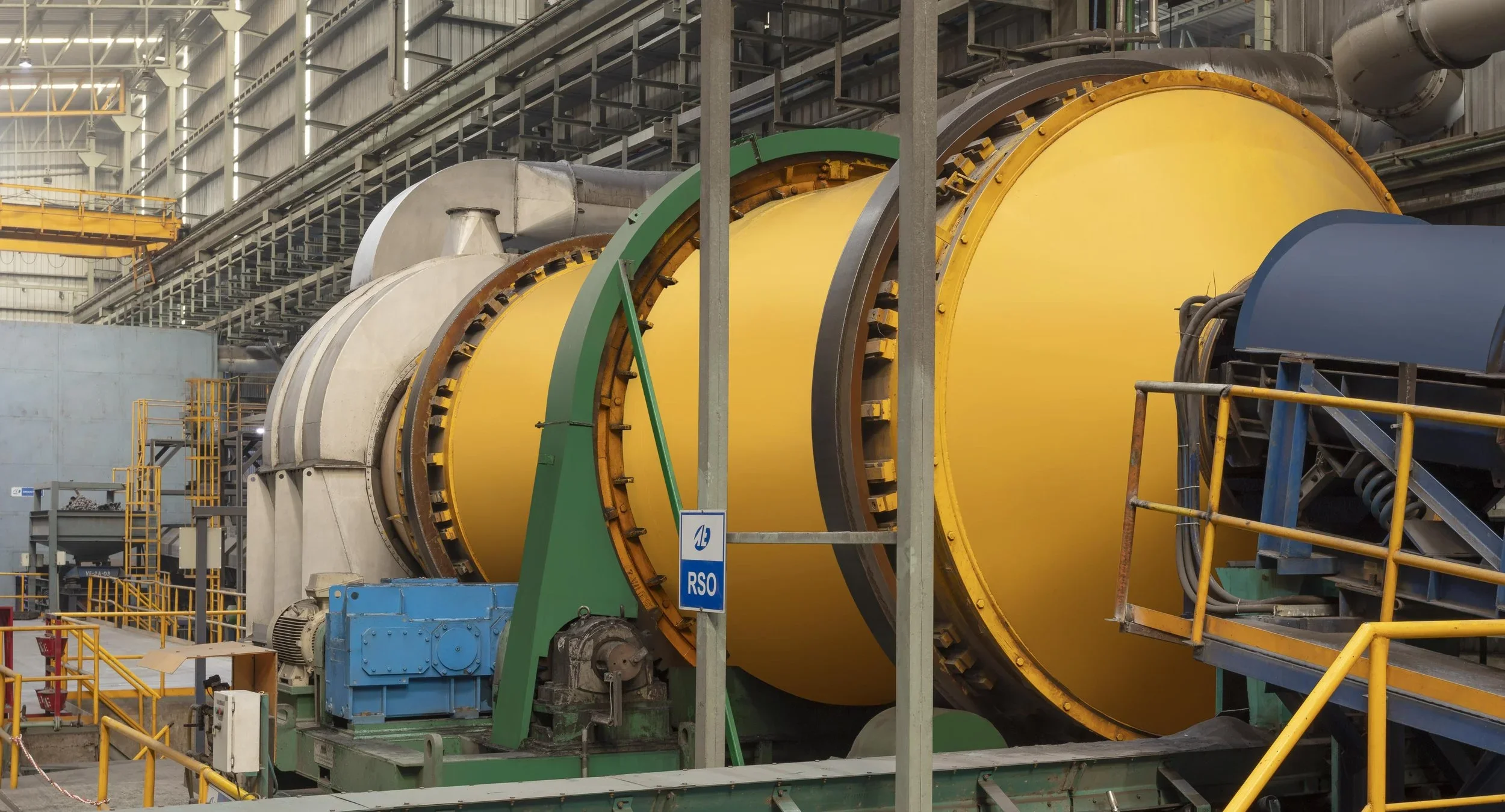
For Indian manufacturers competing for international business, technical capability is only part of the equation. Global buyers also need confidence that a supplier has the infrastructure, production capacity, quality systems and professionalism required to deliver at scale.
Before an international procurement team visits a factory or schedules a supplier meeting, it may first review the manufacturer's website, product catalog, capability presentation, certifications, case studies and digital media. This makes professional Industrial Photography for Manufacturing an important part of modern B2B marketing.
High-quality industrial, product, video and aerial photography can turn a manufacturing facility into a powerful digital showroom—providing visual evidence of scale, precision, infrastructure and operational capability.
Why Visual Proof Matters in Global B2B Manufacturing
A manufacturing company can describe its capabilities with words such as "advanced infrastructure," "high production capacity" and "world-class quality."
But professional visuals can demonstrate those claims more effectively.
Real photographs of production lines, machinery, warehouses, engineering teams, quality-control areas and finished products give potential buyers a clearer understanding of the business.
Current B2B manufacturing website research also highlights the importance of real shop-floor photography, visible capabilities, certifications and other evidence that helps procurement teams evaluate suppliers quickly.
For export-oriented Indian manufacturers, this creates an opportunity to use photography as part of the sales process—not simply as decoration for a website.
1. Industrial Photography Demonstrates Production Capability
A professionally photographed manufacturing facility can showcase:
Production lines
CNC and precision machinery
Assembly areas
Large-scale equipment
Quality-control departments
Warehouses
Material handling systems
Packaging and dispatch operations
Engineering and R&D facilities
Safety and operational standards
2. Product Photography Strengthens Industrial Catalogs
Professional Industrial catalog photography can showcase:
Industrial tools
Engineering components
Machinery
Medical equipment
Automotive parts
Fabricated products
Electrical equipment
Precision components
Specialized industrial products
3. Industrial Video Production Creates Operational Transparency
Photography provides individual moments. Video can show the entire manufacturing story.
An Industrial Video Production project can take a potential buyer through the journey of a product:
A manufacturing video can demonstrate:
Factory infrastructure
Production processes
Machinery
Workforce expertise
Quality inspection
Safety practices
Logistics
Warehouse operations
Finished-product handling
4. Aerial Photography Proves the Scale of Infrastructure
Ground-level photography can communicate production details, but large manufacturing campuses can be difficult to understand from inside the facility.
This is where Aerial Photography for Factories becomes valuable.
Drone photography can capture:
Total factory footprint
Manufacturing buildings
Warehousing facilities
Logistics areas
Loading and unloading zones
Internal roads
Solar installations
Expansion areas
Large industrial infrastructure
5. Professional Photography Supports Tender Presentations
Visual assets can help create a more professional presentation of:
Company infrastructure
Production capacity
Machinery
Product quality
Manufacturing processes
Quality-control systems
Engineering expertise
Previous projects
Logistics capability
What Makes Industrial Photography Different?
Safety requirements
Production schedules
Complex lighting
Heavy machinery
Restricted areas
Dust and industrial conditions
Working equipment
Minimal production disruption
Build a Complete Visual Proof System
Industrial Photography
Shows infrastructure, machinery, people and processes.
Product Photography
Shows the quality and details of products.
Industrial Video
Explains processes and demonstrates operations.
Aerial Photography
Shows the scale and layout of the facility.
Corporate Photography
Humanizes leadership and engineering teams.
Conclusion
For Indian manufacturers targeting international markets, winning global tenders requires more than competitive pricing and technical specifications. Buyers also need confidence in the supplier's capability, infrastructure, quality and professionalism.
Professional Industrial photography for manufacturing provides visual proof that helps communicate these qualities before an international buyer ever visits the factory.
From detailed product photography and industrial catalog images to factory videos and aerial photography, every visual asset can contribute to a stronger B2B manufacturing brand.
Get in Touch
📧 Email: arpit@theindustrialphotographer.in
📸 Instagram:@industrial_photographer_india