Drone Factory Tour Production in Dahej: Filming Chemical Plants Safely and Legally
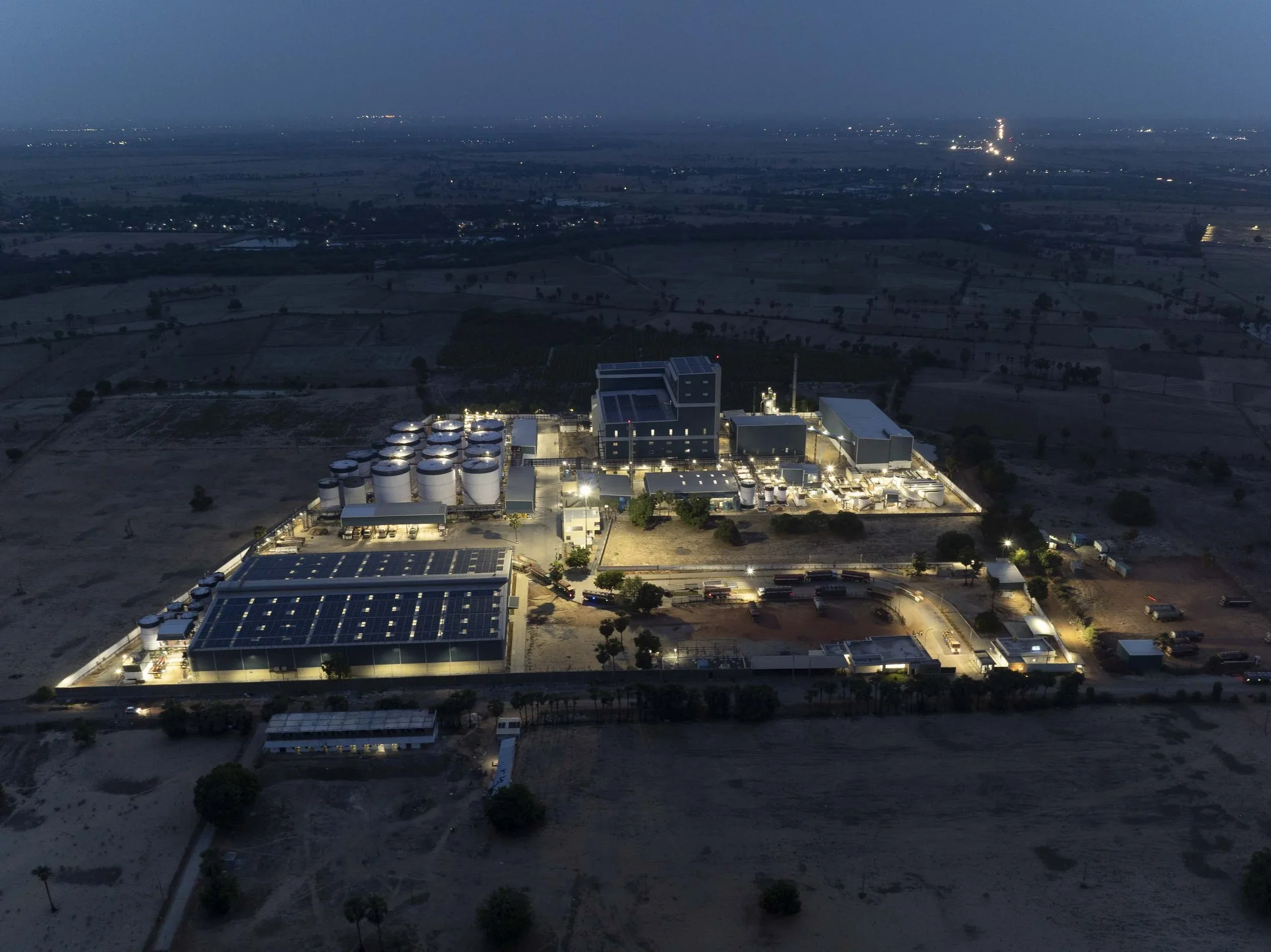
Dahej is one of India's largest chemical and petrochemical hubs. Along the Gulf of Khambhat, the Dahej PCPIR (Petroleum, Chemicals and Petrochemicals Investment Region), the GIDC estates and the port bring together reactor blocks, tank farms, pipe racks, jetties and utility plants spread over many acres. From the ground, it is almost impossible to show the scale of these sites. From the air, it takes a few seconds.
That is why drone factory tour production has become one of the most requested films for chemical companies in Dahej and Bharuch. A well-planned aerial tour shows investors, global customers and auditors the size, layout and order of your plant before they ever visit.
But chemical sites are not ordinary factories. Hazardous-area zoning, strict permit systems, security rules and India's drone regulations all apply. This guide explains how to plan a drone factory tour in Dahej that is safe, legal and genuinely useful.
Why chemical and petrochemical companies need aerial films
For companies in Dahej, a drone film does jobs that ground footage cannot:
Shows real scale. Tank farms, reactor blocks, cooling towers and expansion land look impressive only from above.
Explains the process flow. An aerial path can follow the plant from raw-material storage to reactors, utilities, finished-goods storage and dispatch.
Supports investor and IPO communication. Capacity expansions and new blocks are easy to show in annual reports, investor presentations and AGM films.
Helps global customers qualify you. Multinational buyers of specialty chemicals and intermediates want to see a well-run, well-maintained site.
Records construction progress. Monthly or quarterly aerial footage documents new plants and expansions for management, lenders and EPC contractors.
Supports ESG reporting. Solar rooftops, green belts, effluent treatment plants and zero-liquid-discharge systems are easiest to show from the air. Read more about ESG photography for Industry.
Drone rules in India: what every plant should know
Every drone shoot in India must follow the Drone Rules, 2021 and the airspace map on the DGCA's Digital Sky platform. For a plant owner, the key points are:
Airspace zones. Digital Sky divides India into green, yellow and red zones. Green zones allow flights within the permitted height without prior airspace permission. Yellow zones need permission from the relevant air traffic control authority. Red zones need central government permission and are often off-limits.
Registered drone and certified pilot. The drone must carry a unique identification number (UIN) and the pilot must hold a Remote Pilot Certificate.
Critical and sensitive installations. Sites near ports, LNG terminals, defence or other sensitive locations may fall in restricted zones or need extra clearance. This is common along industrial coastlines, so it must be checked for each site.
Your plant's own rules. Even where the airspace is open, your security and EHS teams decide where and when the drone can fly over the site.
Safety on a chemical site: how we fly
Export audiences judge your film against videos from suppliers in Germany, China and Korea. A few details make the difference:
Hazardous-area map first. During the recce, we review your area classification drawings with the EHS team and agree safe take-off, landing and flight zones.
Permit to work. Drone flights follow your permit-to-work system, like any other outside activity on site.
Distance and altitude rules. We keep agreed distances from flare stacks, vents, pipe racks and tank farms and fly over them only where your team approves.
Weather and wind limits. Coastal winds in Dahej can be strong, especially in the afternoon. We schedule flights for calmer morning windows and cancel if limits are exceeded.
Radio and communication. A site contact from your team stays with the crew throughout, with a direct line to the control room if needed.
Crew PPE and induction. Every crew member completes your safety induction and wears the required PPE.
The result is footage that looks cinematic but is shot under the same safety discipline as any other job on your site.
What a Dahej drone factory tour includes
A typical aerial tour combines three layers of footage:
1. The establishing flight
A slow, high reveal of the whole site: its location on the estate, the approach roads, the jetty or pipeline links and the overall layout. This opening shot is often used on its own as the hero video on your website.
2. Process-flow flight paths
Lower, planned paths that follow the process: raw-material storage, reactor and process blocks, utilities (boilers, cooling towers, ETP), warehouses and dispatch. On-screen labels explain each area for viewers who are not engineers.
3. Ground and interior footage
The drone shows scale; the ground camera shows quality. Control rooms, labs, QC testing, packing lines and people at work complete the story. Combined, they become a full virtual plant visit.
Making it cinematic
Golden-hour and blue-hour flights (where plant rules allow) turn a process plant into a striking image.
Smooth, slow camera moves look far more professional than fast, shaky passes.
Colour grading gives a consistent, premium look across aerial and ground shots.
Sound design and music make the film feel alive, even without voice-over.
Dahej, Bharuch and the wider Gujarat chemical belt
We are based in Ahmedabad and plan shoots across Gujarat's chemical and industrial corridor, including Dahej, Bharuch, Ankleshwar, Jhagadia and Vadodara. Many companies have more than one site in the region. We plan all of them in one trip for a single, consistent film. If you also have plants in the Savli or Manjusar belt, see our guide to factory video production in Savli.
Frequently asked questions
Is drone filming allowed in Dahej?
Cost depends on shoot days, crew size, drone use, voice-over languages and graphics. A focused 1-day machinery video costs far less than a multi-day plant film with aerials and subtitles in several languages. Share your brief and we will send a clear quote.
Can a drone fly over hazardous areas of a chemical plant?
Only where your EHS team approves it. Most drones are not certified for classified hazardous areas, so we agree safe flight zones, distances and altitudes during the recce and follow your permit-to-work system.
What is the best time of day for a drone shoot in Dahej?
Early morning is usually best: calmer winds, softer light and fewer operational movements on site. Evening shots are possible where plant rules allow.
Can you combine a drone tour with a corporate film?
Yes. Most clients use the aerial footage in their main corporate film, website hero video, investor presentation and trade-show loop. See our industrial video production services.
Do you also take aerial photographs?
Yes. We shoot high-resolution aerial stills in the same flights, for annual reports, brochures and websites. See our aerial photography and our guide to industrial drone photography in India.
Plan your Dahej drone factory tour
A drone factory tour shows your plant the way your investors and customers should see it: large, organised and well run. Start early so permissions don't delay your launch date. Read our complete guide to industrial video production in India, browse our case studies or contact Arpit Patel / WhatsApp +91 93271 54115 to plan your shoot.
Arpit Patel is an Ahmedabad-based industrial filmmaker and photographer with 16+ years of experience and a BFA, working with manufacturers across Gujarat and India. About Arpit