

More Than Just Equipment:How to Plan a Factory Shoot Without the Headache
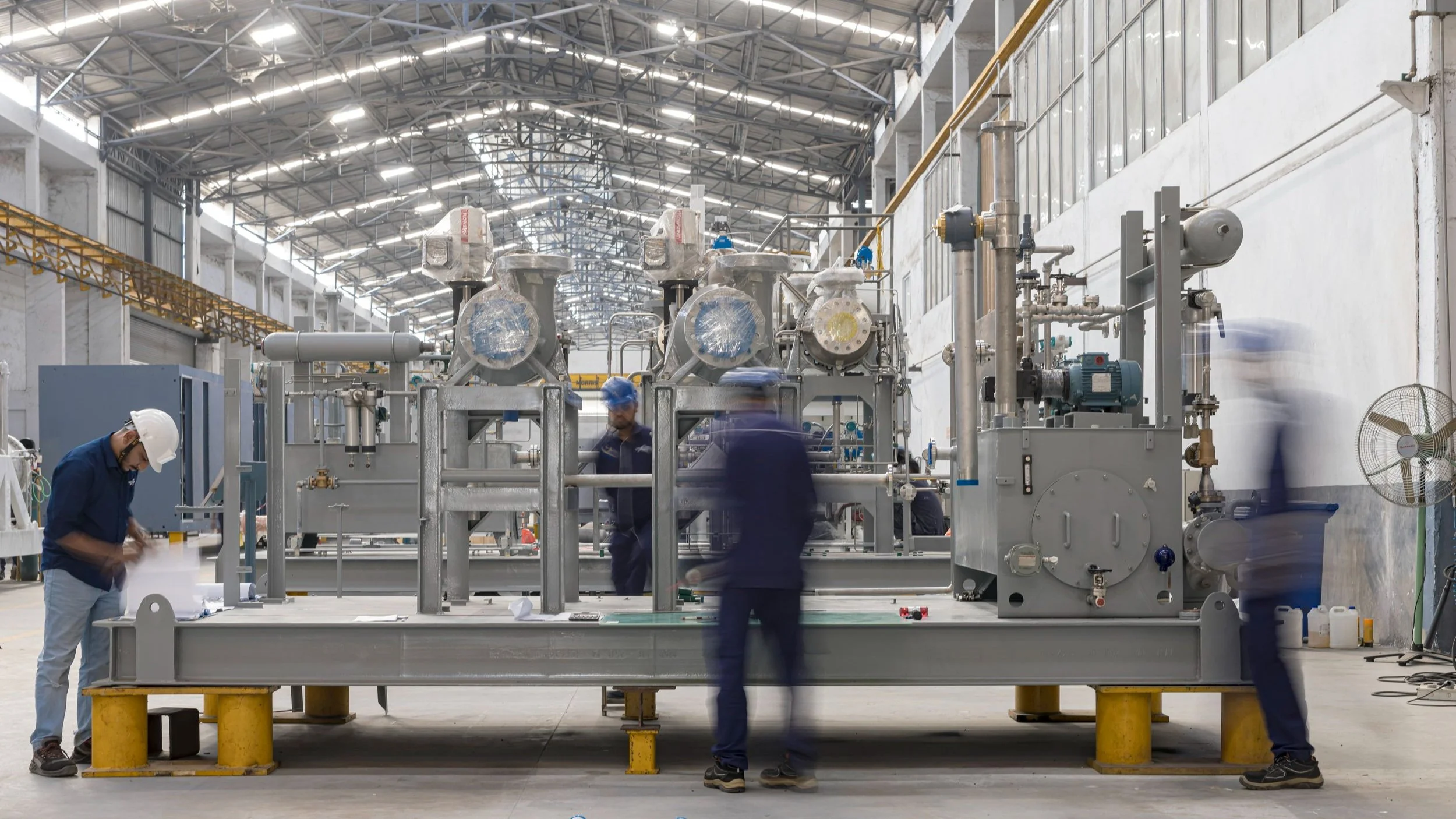
The Annual Report deadline is approaching. You need high-quality, impressive visuals of your new facility in Pune or your plant in Gujarat to satisfy the board and investors.
But there is usually a problem.
The Marketing team wants "Beauty," but the Plant Manager wants "Efficiency." The operations team has made it clear: production cannot stop.
This is the classic conflict we see in almost every heavy industry sector. As photographers who specialize in this field, we don't just take pictures—we bridge the gap between these two departments. We know that a great shoot isn't just about lighting; it’s about logistics.
Here is how we plan a shoot that gets you the assets you need, while keeping your Plant Manager happy.
1. The "No-Surprises" Walkthrough
A lot of photographers skip the "recce" (scouting trip), but for an industrial shoot, it is the most important step. We don't want to surprise the floor team on the day of the shoot.
We work with you to ask the right questions before the camera comes out:
"Which shift is busiest?" Usually, a shift changeover looks great on camera because the floor is full of people, but it doesn't interrupt the actual workflow.
"When is maintenance happening?" If a machine is down for scheduled maintenance, that is actually a golden opportunity. It allows us to get close-up, internal shots of heavy machinery that are usually unsafe to approach when running.
2. The Cleanup: Real vs. Fake
You want your factory to look professional, but you don't want it to look like a sterile laboratory (unless it is one). Investors are smart—they know what a working factory looks like.
Do remove the clutter: Old cardboard boxes, waste bins, and stray backpacks in the background make a facility look disorganized. We clear those out.
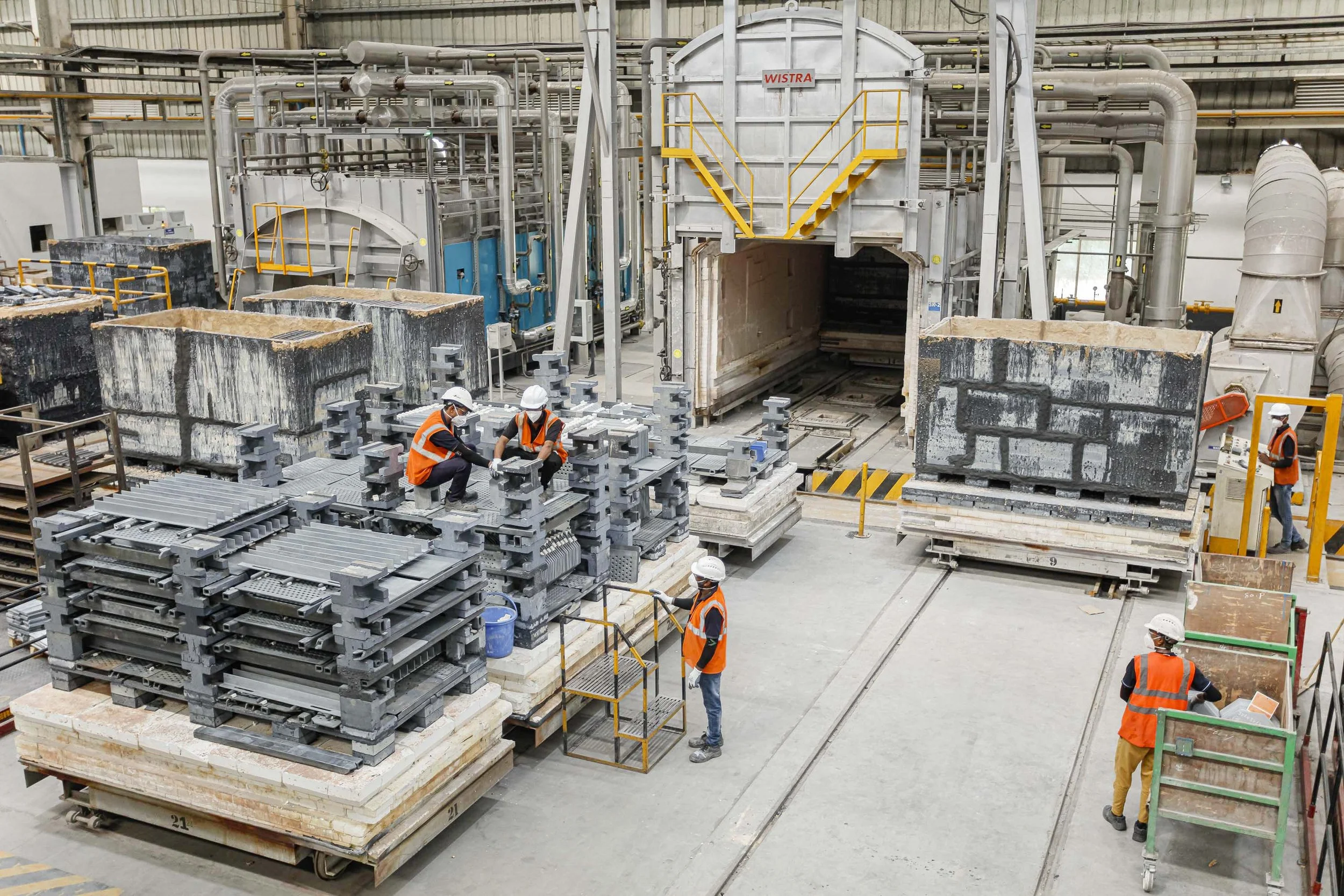
Don't hide the work: A little grease on a gear or heat marks on a furnace? Leave them. That shows your factory is productive.
The Golden Rule of Safety: This is non-negotiable. We ensure every single person in the frame is wearing the correct PPE. A photo of a worker with their helmet strap undone is a photo you can't use in an Annual Report. We watch out for that so you don't have to.
3. Lighting That Doesn't Trip Anyone
The biggest myth is that you need to stop the assembly line to set up big lights. That is the old way of doing things.
We use modern, battery-powered equipment.
No cables: This means no trip hazards on the walkway (your Safety Officer will love this).
Speed: We can move into a dark corner, light it up, get the shot, and move out in minutes.
Quality: We can freeze fast-moving machinery or sparks instantly, making your technology look crisp and sharp.
4. Don't Just Ask for "Photos"—Ask for Assets
When we plan a shoot, we don't just shoot randomly. We help you build a specific list of visual assets that solve your business needs:
The Hero Shot: An ultra-wide view of the facility (perfect for the Report cover).
The Human Element: Close-ups of skilled hands or focused eyes. This highlights your expertise and safety culture.
The Details: Precision macro shots of your final product (bearings, pumps, valves). This builds investor confidence in your engineering quality.
The Bottom Line
A successful industrial photoshoot shouldn't be stressful. It’s simply about respecting the rhythm of the factory.
When you hire a partner who understands the difference between a lathe and a CNC machine—and who respects the safety protocols as much as the photography—you get world-class visuals without a single minute of lost production time.
Planning your next Annual Report? Let’s have a quick chat about how to tell your brand’s story efficiently.
Get in touch:
Email: arpit@theindustrialphotographer.in
Website: www.theindustrialphotographer.in
Instagram: @industrial_photographer_india
